
Breathe Easier About Money

If finances keep your shoulders tense and your jaw clenched, take a deep breath. Today we explore meditation techniques to reduce financial stress, blending simple breathwork, mindful attention, and gentle visualization you can use during bill paying, budgeting, or debt conversations. Expect practical steps, encouraging stories, and science-backed calm. Try one exercise now, share what resonates, and return tomorrow to notice progress that feels steady, compassionate, and surprisingly doable in real life.

Understanding the Mind–Money Loop

Financial tension isn’t only about numbers; it’s also about nervous-system patterns that amplify worry and shrink perspective. When stress spikes, the amygdala shouts, planning narrows, and small expenses feel enormous. By learning how attention, breath, and sensation interact with judgment, you can interrupt runaway reactions, widen options, and rediscover realistic choices. This foundation makes every later skill feel safer, friendlier, and more effective, especially on difficult days.

How stress hijacks decisions

In high-pressure moments, your sympathetic system accelerates, cortisol rises, and the brain favors fast, protective choices over thoughtful plans. That’s why late-night scrolling purchases or avoidance of bank apps can appear. Naming sensations, lengthening exhale, and softening focus reduce alarm, returning prefrontal clarity so money choices align with values.

Breaking the scarcity spiral

Scarcity stories shrink future thinking, making everything feel urgent and insufficient. A brief pause interrupts the loop: feel feet on the floor, inhale gently through the nose, extend the exhale, and ask, What matters in the next hour only? This re-centers priorities, calms urgency, and opens compassionate, practical action.

Box breathing for budget reviews

Trace an imaginary square: inhale four, hold four, exhale four, hold four, repeated four rounds. The steady rhythm calms impulses and brings gentle focus to spreadsheets and receipts. Add a supportive phrase on every exhale, like, I can review one number at a time.

Extended exhale to release pressure

Sit tall and soften your jaw. Breathe in for four counts, breathe out for six to eight. Longer exhales engage the parasympathetic response, easing clenched muscles and racing predictions. Practice for three minutes before a tough call so your words land kindly and clearly.

Alternate nostril for calm clarity

Use your right hand to gently alternate nostrils: inhale left, exhale right; inhale right, exhale left, continuing slowly. This balances attention, reduces mental noise, and steadies mood. After five rounds, review statements or options with increased patience and a more open, grounded perspective.

Two-minute bill-opening pause

Set the envelope down. Place a hand on the chest, feel warmth, and name three neutral details you see. Breathe slowly, then open the bill only after your exhale lengthens. This replaces dread with method, helping you respond to facts instead of imagined catastrophes.

Mindful spending micro-moments

Before tapping your card, ask, What emotion is here—boredom, celebration, fatigue? Name it, breathe once, then review your priority list. If purchase still serves values, proceed kindly. If not, pause forty-eight hours. This tiny ritual builds trust and reduces regret-driven expenses over time.

Debt call compassion practice

Before dialing, place a hand on your belly and say, This is hard, and I am worthy of respect. Breathe three relaxing breaths, then decide on one clear request. Compassion steadies tone, invites collaboration, and often leads to surprisingly generous payment arrangements.

Safe harbor visualization
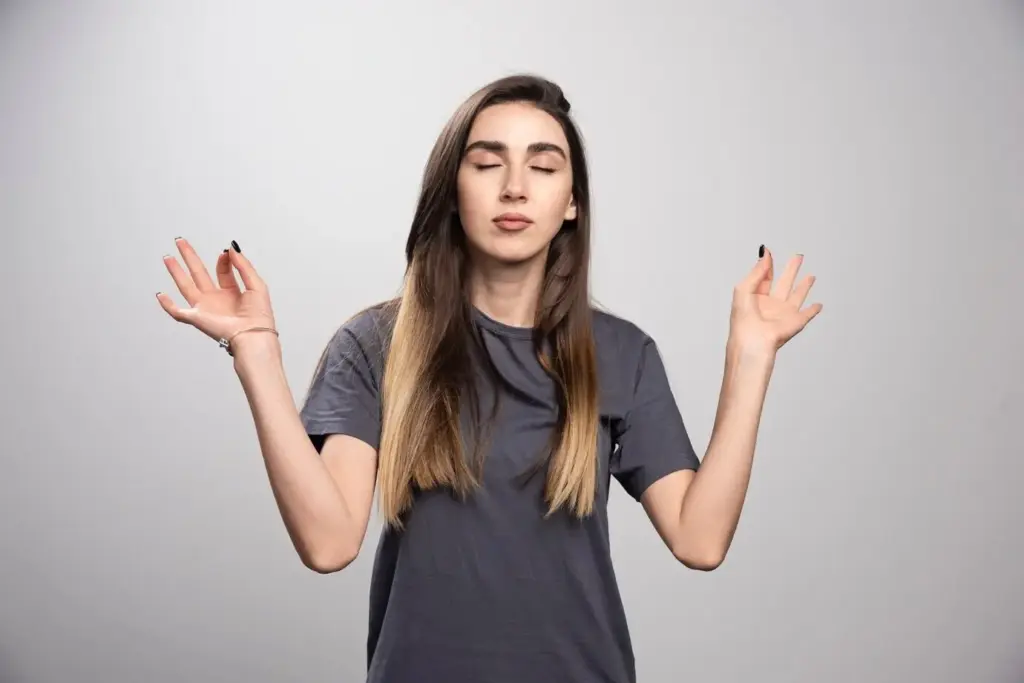
Close your eyes and picture a sturdy harbor where boats rest after choppy seas. See your current balance as a vessel being repaired: tools ready, crew respectful, progress steady. Return to this image when bills arrive, anchoring yourself in capability, continuity, and practical hope.

Future-self advisor meeting

Imagine meeting your future self in a bright, quiet room. They describe what habits helped: weekly reviews, honest talks, patient savings. Ask one question and listen for a compassionate, realistic answer. Write it down, breathe deeply, and act on the smallest next step.

Body-Based Grounding to Calm Money Anxiety

The body tells the truth faster than thoughts. Grounding techniques settle agitation, turning scattered energy into presence you can spend wisely. Use these somatic practices before online purchases, during budgeting dates, or after unexpected bills to regain steadiness, dignity, and a kinder inner conversation.

Building a Sustainable Routine and Community Support

Morning and evening anchors

Start the day with three grounding breaths and an intention sentence. End with a brief gratitude note about one supportive action you took. Bookend routines train your nervous system to expect steadiness, helping financial tasks sit among ordinary habits instead of crisis events.

Accountability circle or buddy

Choose one person to exchange five-minute check-ins twice weekly. Share one completed step and one next step. Keep it kind, specific, and honest. This dependable rhythm grows confidence, reduces isolation, and makes meditation and money care feel communal rather than secret and shameful.

Track progress with curiosity

Keep a simple log: date, practice used, stress level before and after, one observation. Review weekly and notice trends without judgment. Celebrate small drops in tension and any helpful change in spending clarity. Comment your insights and questions so we can learn together.
Ziponupanoviluxe
Privacy Overview

This website uses cookies so that we can provide you with the best user experience possible. Cookie information is stored in your browser and performs functions such as recognising you when you return to our website and helping our team to understand which sections of the website you find most interesting and useful.